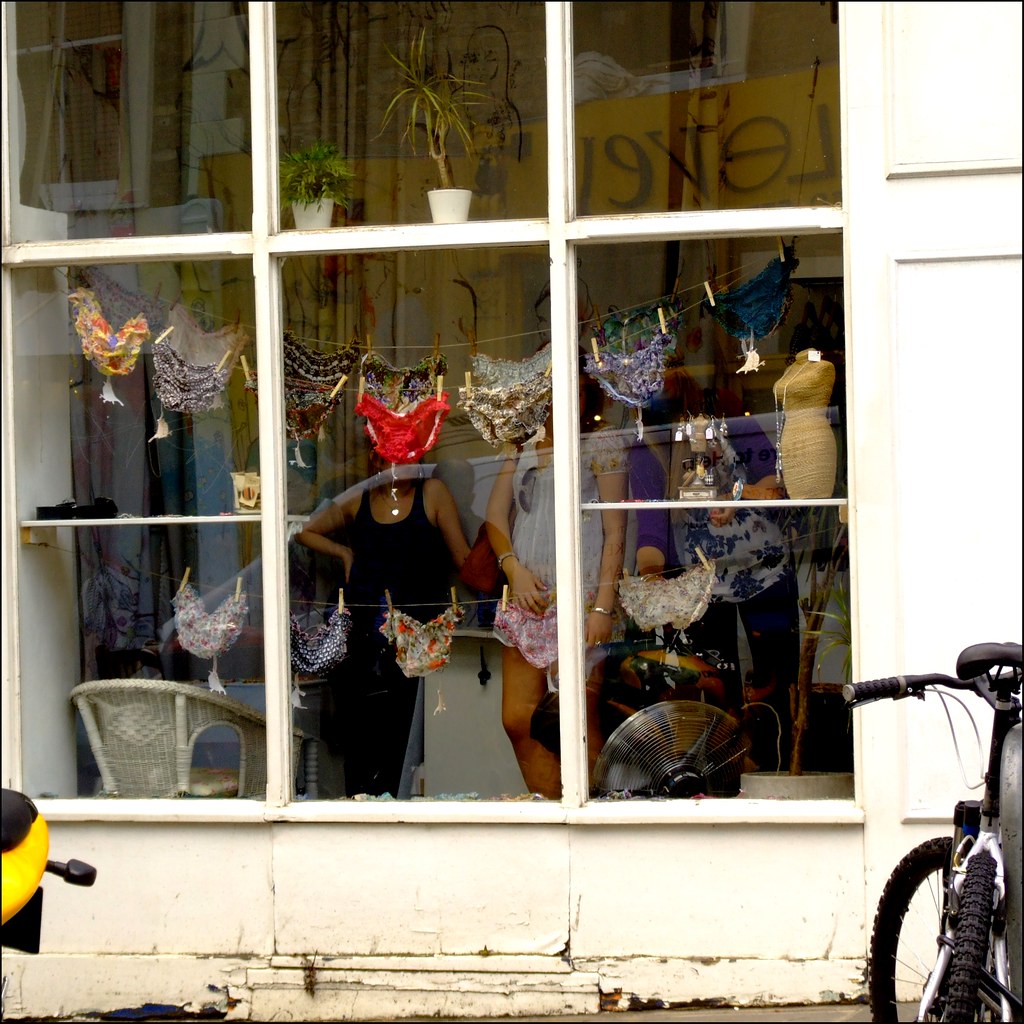
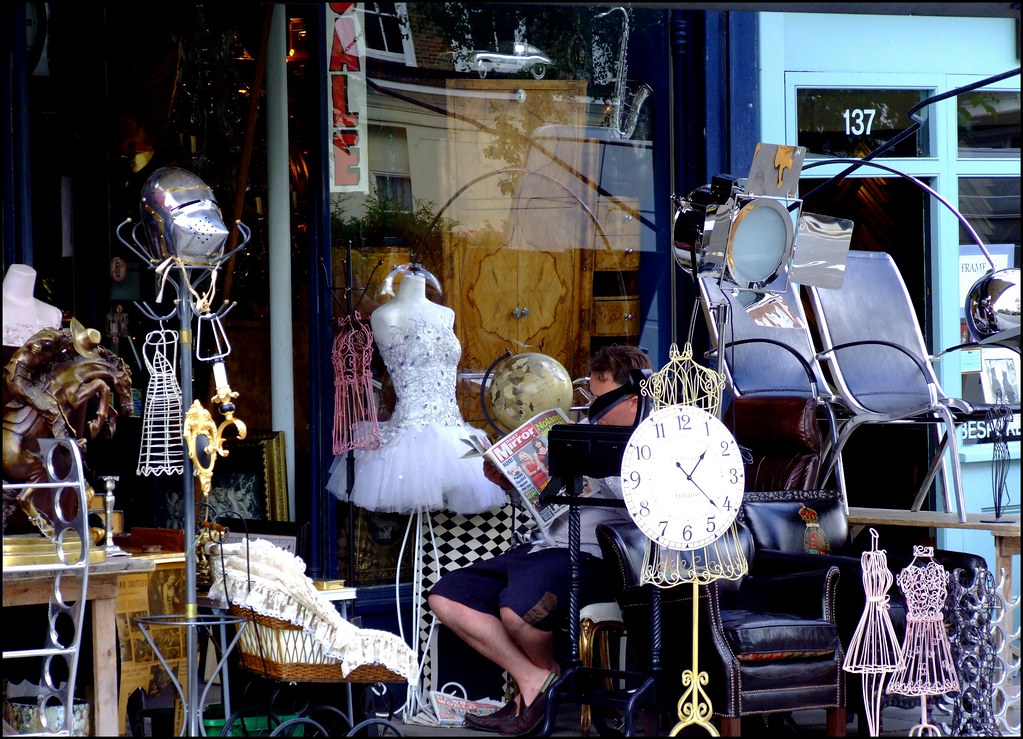
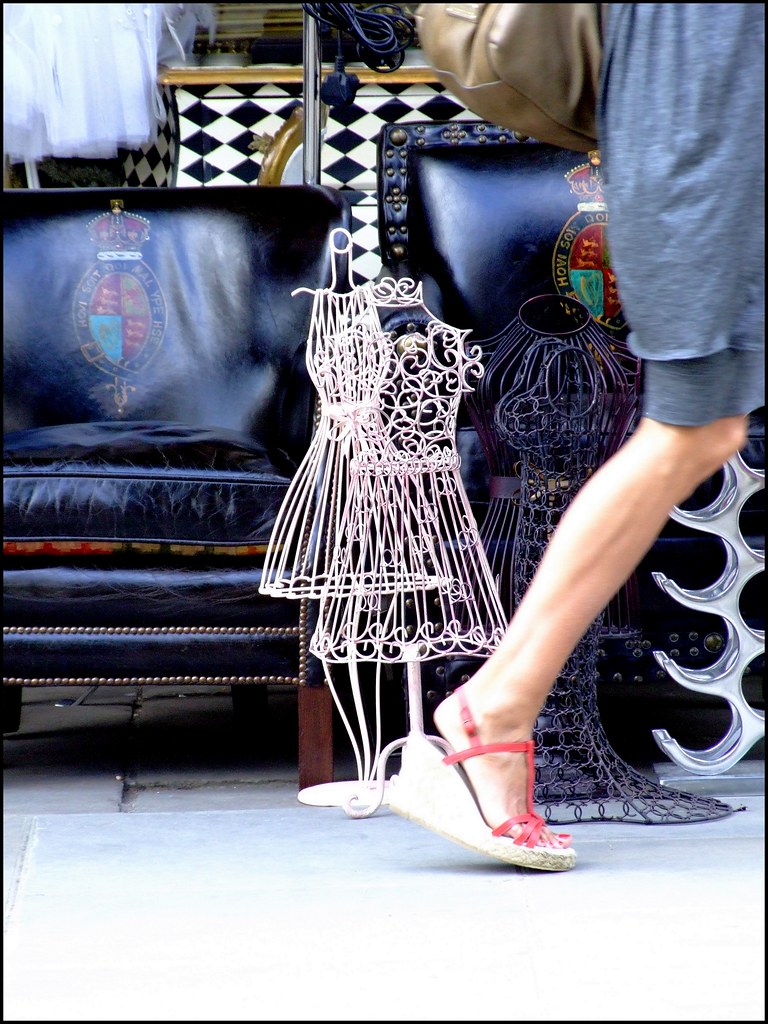
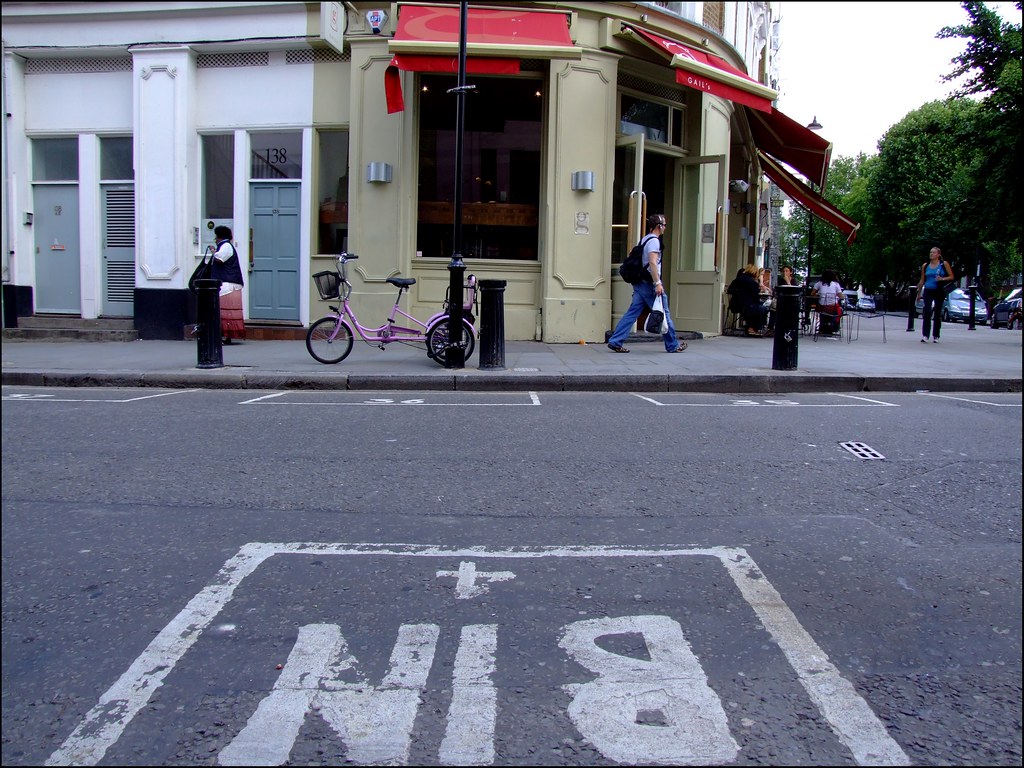
When you walk down a city street, do you peep in the cracks?
Do you wonder what lies beyond the hubbub, behind the facades, in that space between places?
I do.
I poke my nose and camera into those crevices that hide in the mosaic of the city. And often, I stumble upon treasure.
These are, what I call, Places Between Spaces.
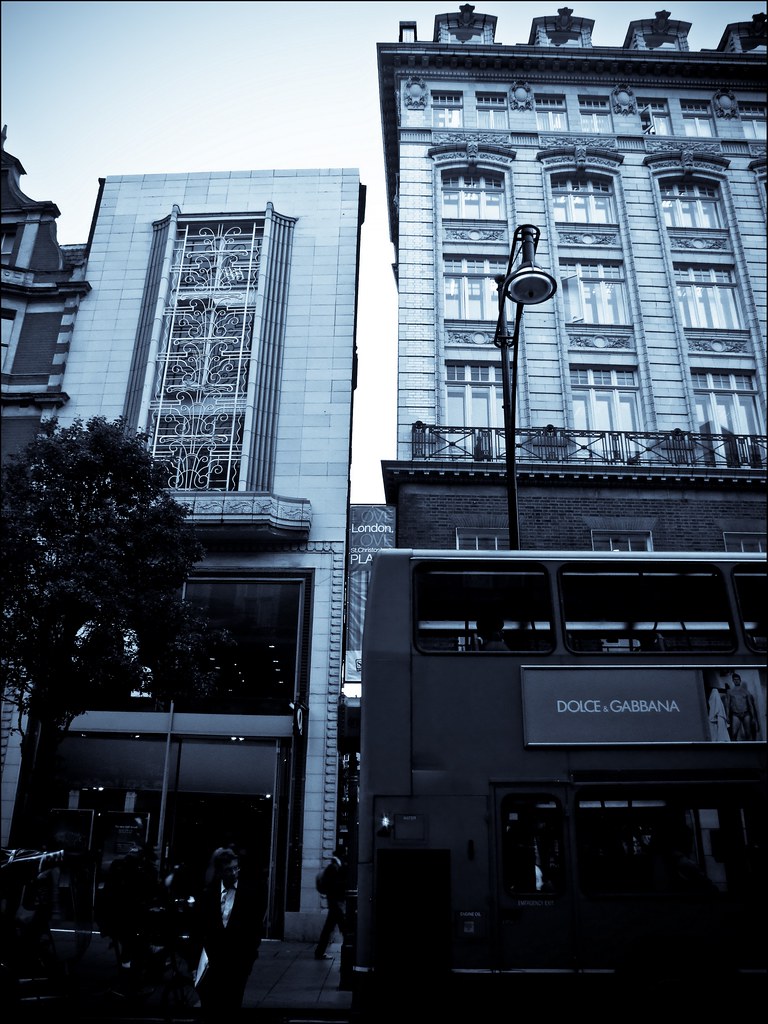
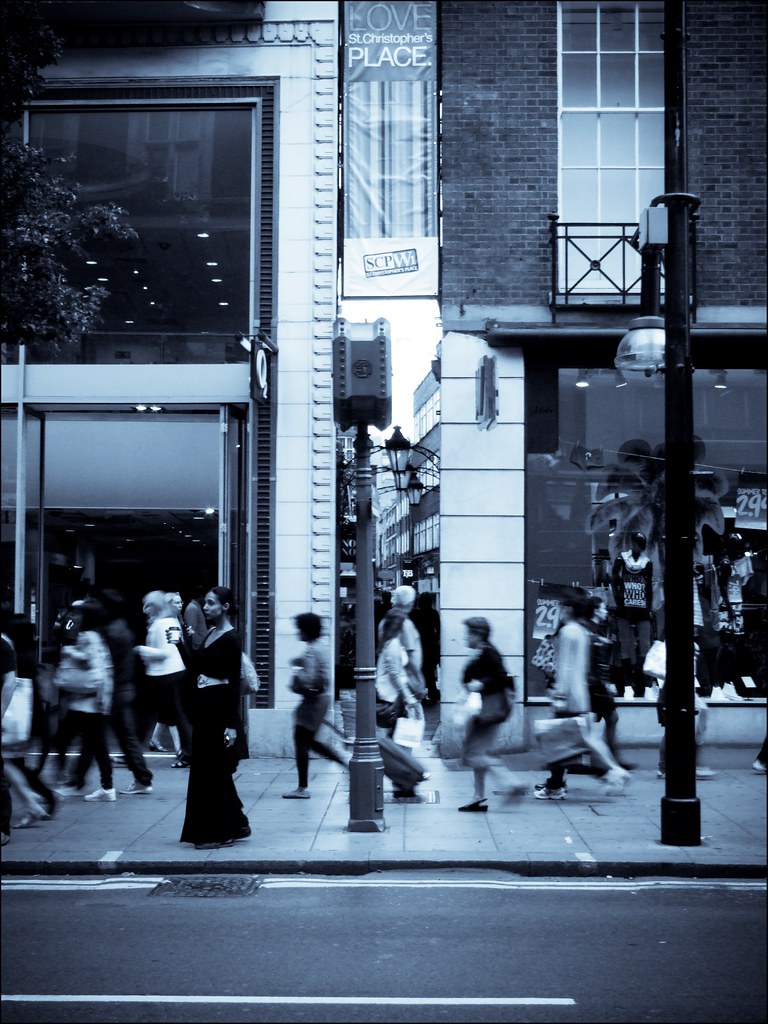
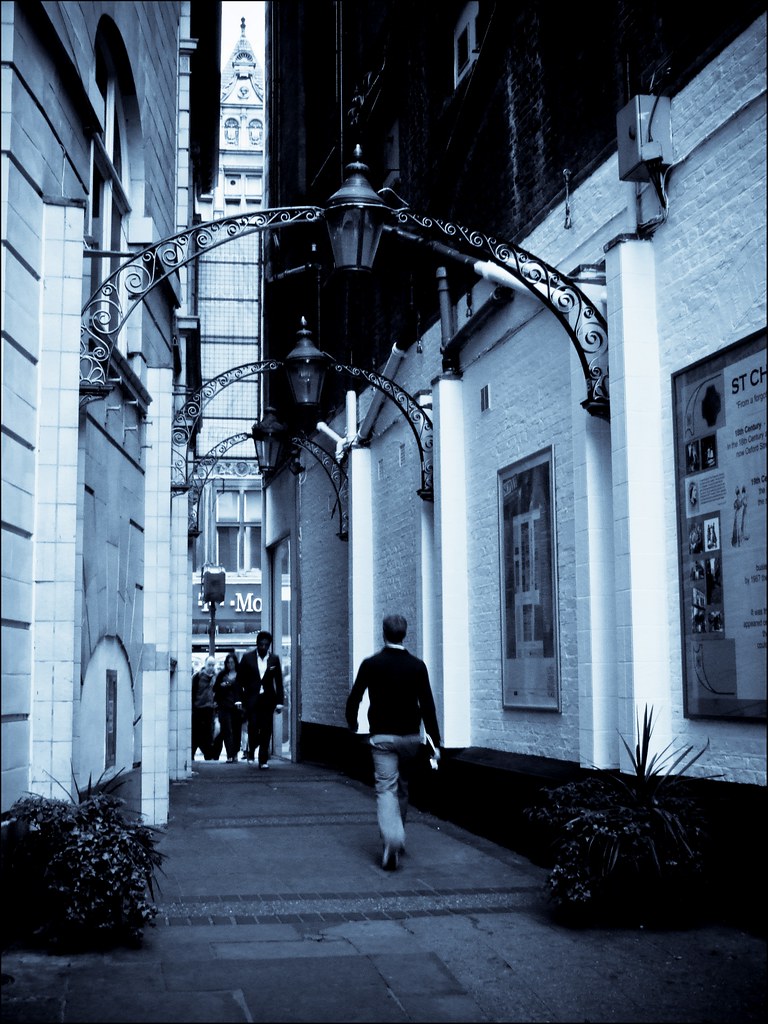
Like this narrow alley hiding in a crevice on Oxford Street.
Peep in, and you'll likely have to make space for the person blocking your view - for the mouth of this crack is only one-person wide.
Step in, and it surprisingly envelops you as it widens to receive you.
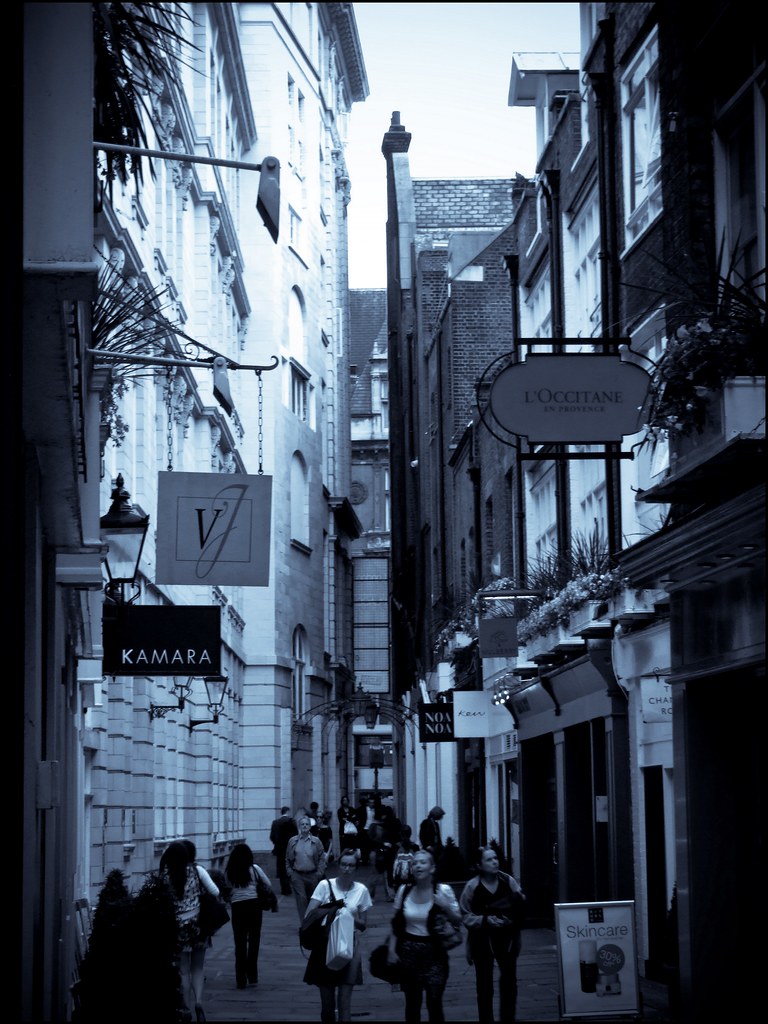
Walk on, and it dwarfs you - the tall buildings on either side of this cobbled boutique-lined lane looking down upon you.
And then, as indulgently as it received you, it abruptly throws you into a square bustling with people. And character.
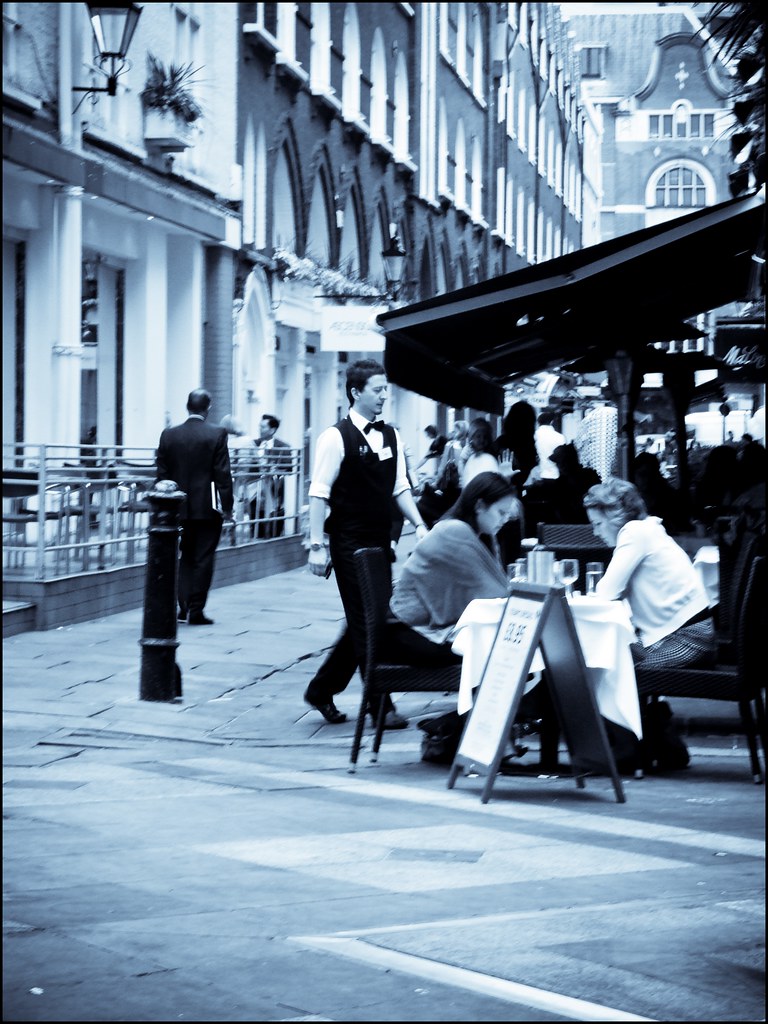
Where people dine al fresco...
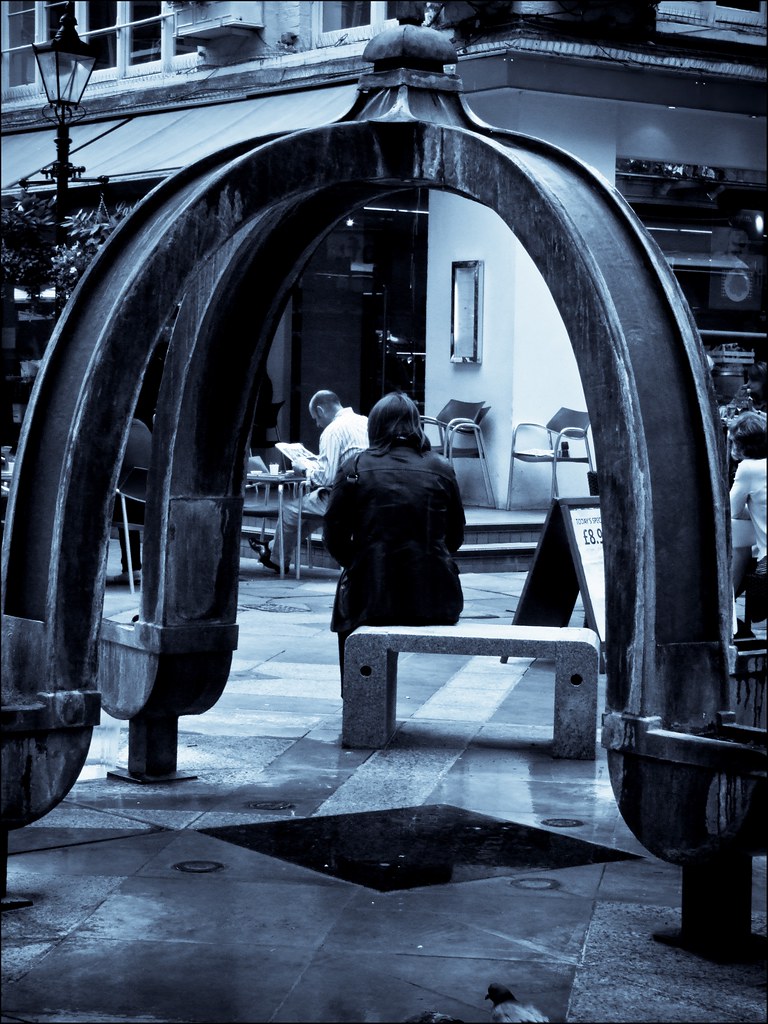
...muse under fountains
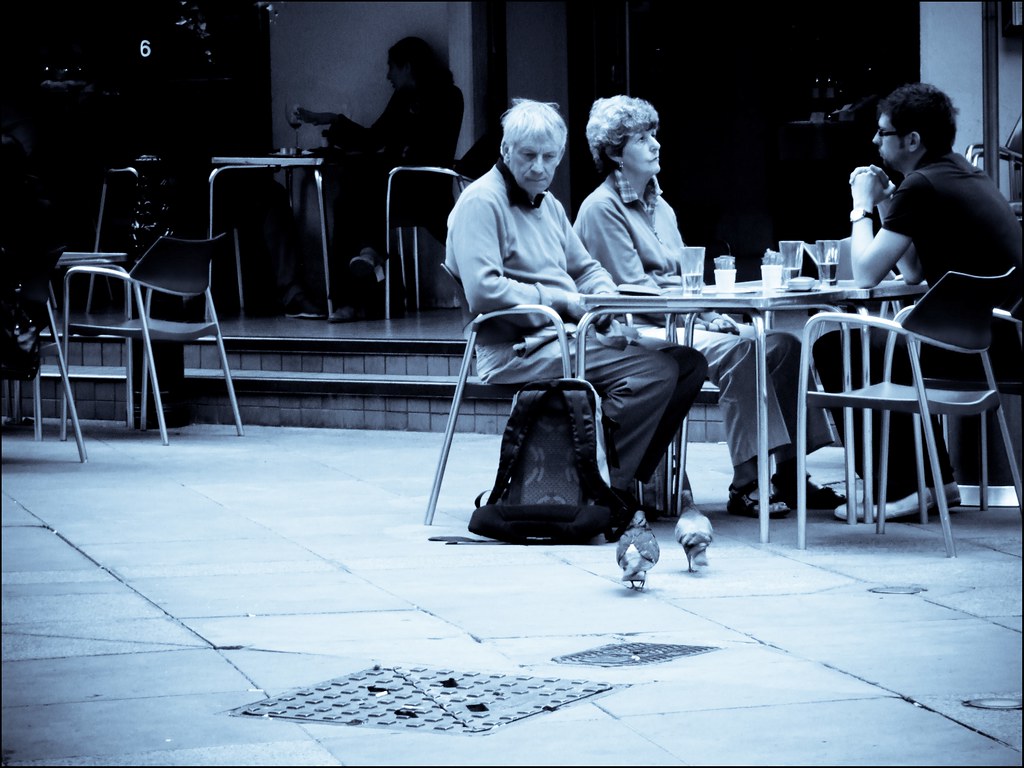
...or talk to the pigeons (or themselves)
Then just when you thought the ride was over, the quirkiness grabs you.
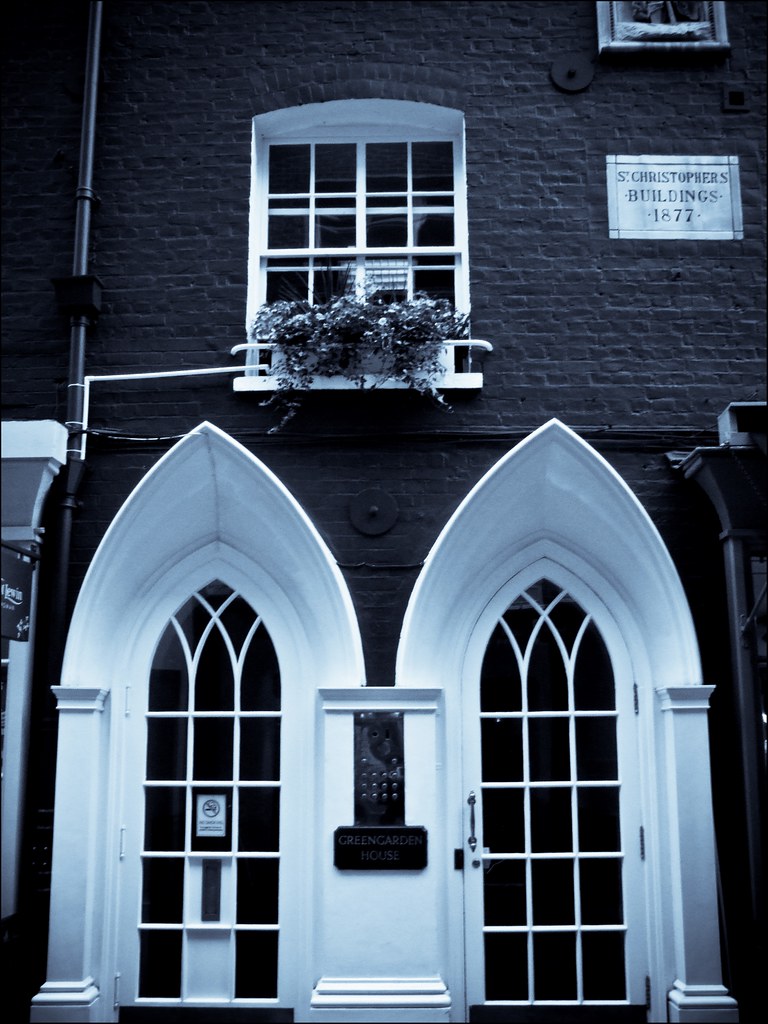
Of history...
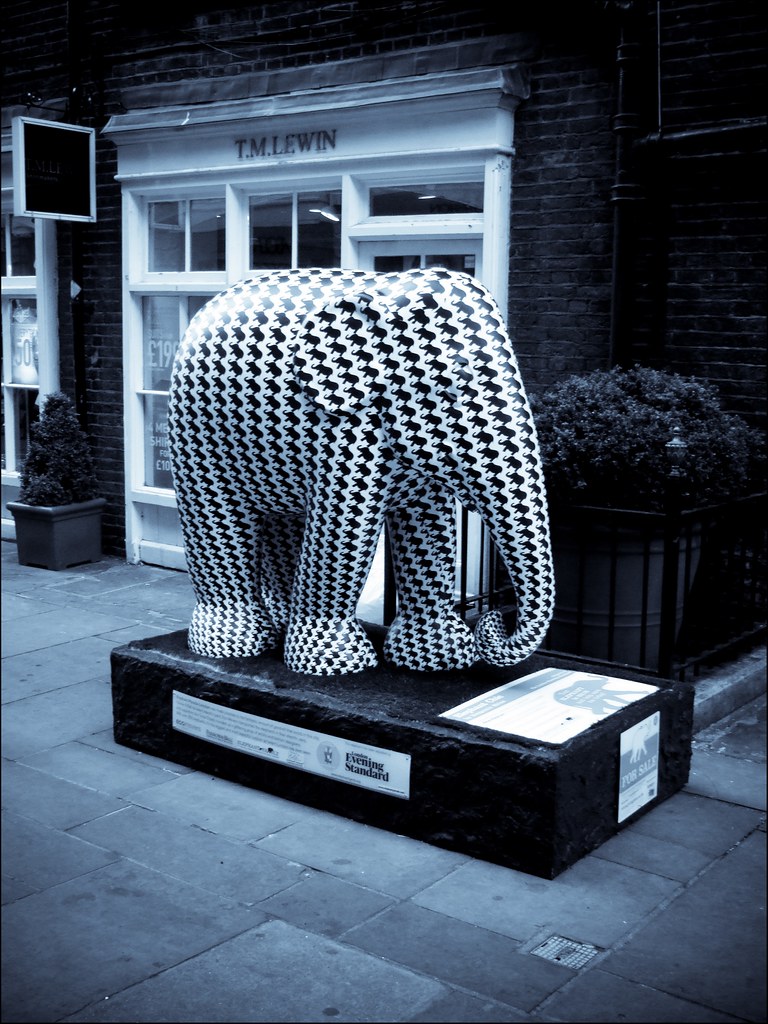
And elephants for charity...
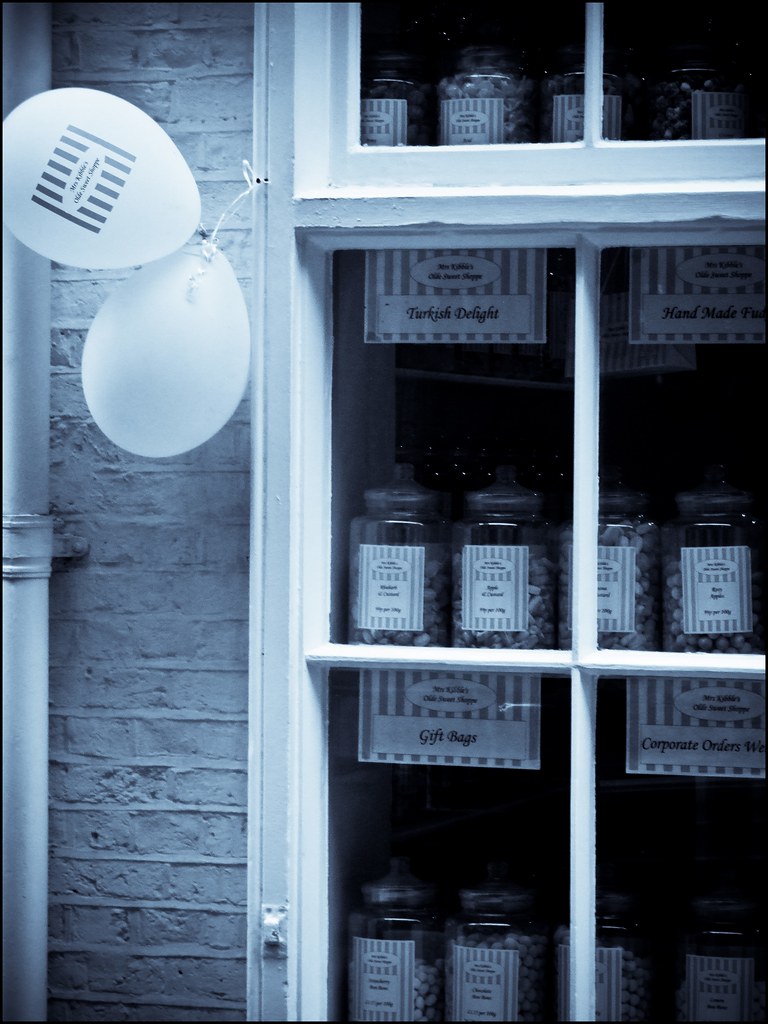
Of fairy tales and magic lands (full of sweets)...
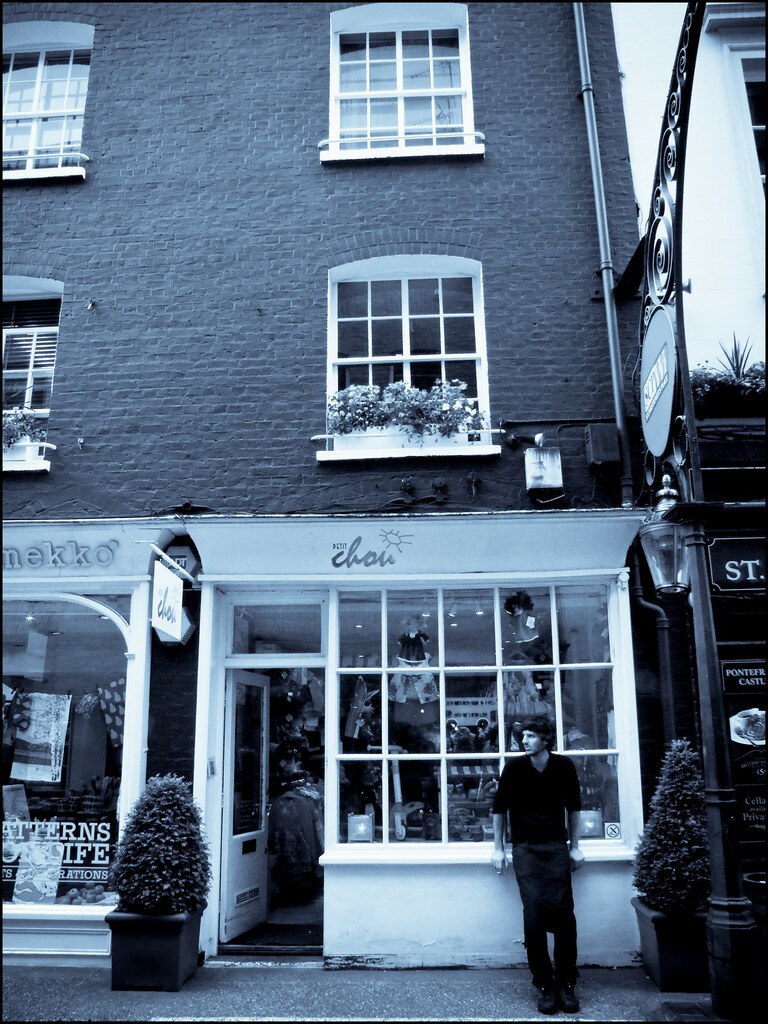
Of cute shop assistants picturesquely perched in thought..
And of a realisation that all this lies behind a crack in the mosaic - a crevice on London's Oxford Street.
Welcome to St. Christopher's Place. Just one of my favourite places between spaces in London.
Showing posts with label Streets and Alleys. Show all posts
The Mews of Kensington
If you're not British, chances are that the title of this post is making you think cats. As much as I would personally love to dwell upon all things feline, I'd like you to think of horses instead. Good. Let us proceed.
As Wikipedia will tell you, and as I learnt as a student of City Design in London a few years back, Mews is one of those British English oddities that actually describes a row of stables built around a (mostly) cobbled street or square and dating from the 17th and 18th Centuries. Hence horses. However, if you think the fauna references end here, you're wrong. The term actually originates from the 'mews' or partitioned row of quarters that were used to keep falcons! And why 'mews' then? Oh, you see, the term actually originates from the French term 'muer', which means 'to change', and which was used because the falcons were kept in these quarters when they were changing..er..moulting. Go figure. Is the mind sufficiently boggled? Glad to be of service.
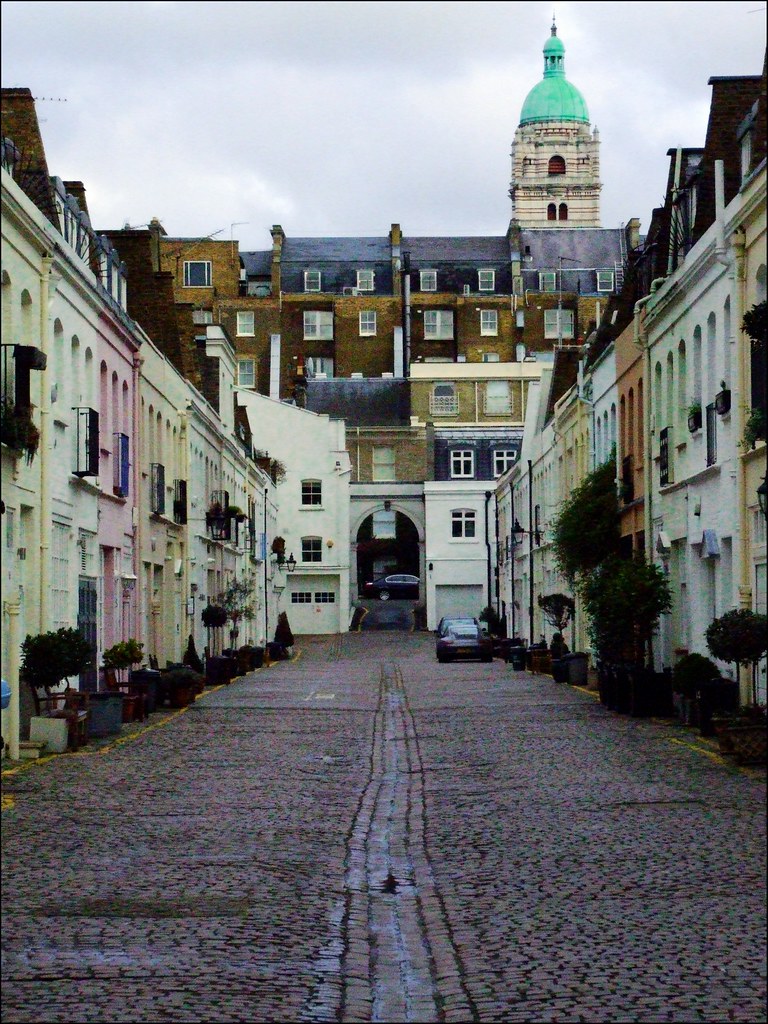
In those wonderful times, when people engaged in dreaming up confusing names for simple things, these mews were usually attached to the properties of wealthy families in London, and the stable hands or servants would live in small quarters above the stables themselves. So the mews were actually stables-sum-servant-quarters with a mini community space in the street or square around which they were built. Over time, they went on to become infamous for their seediness and filth - places where the rich and cultured would never set foot.
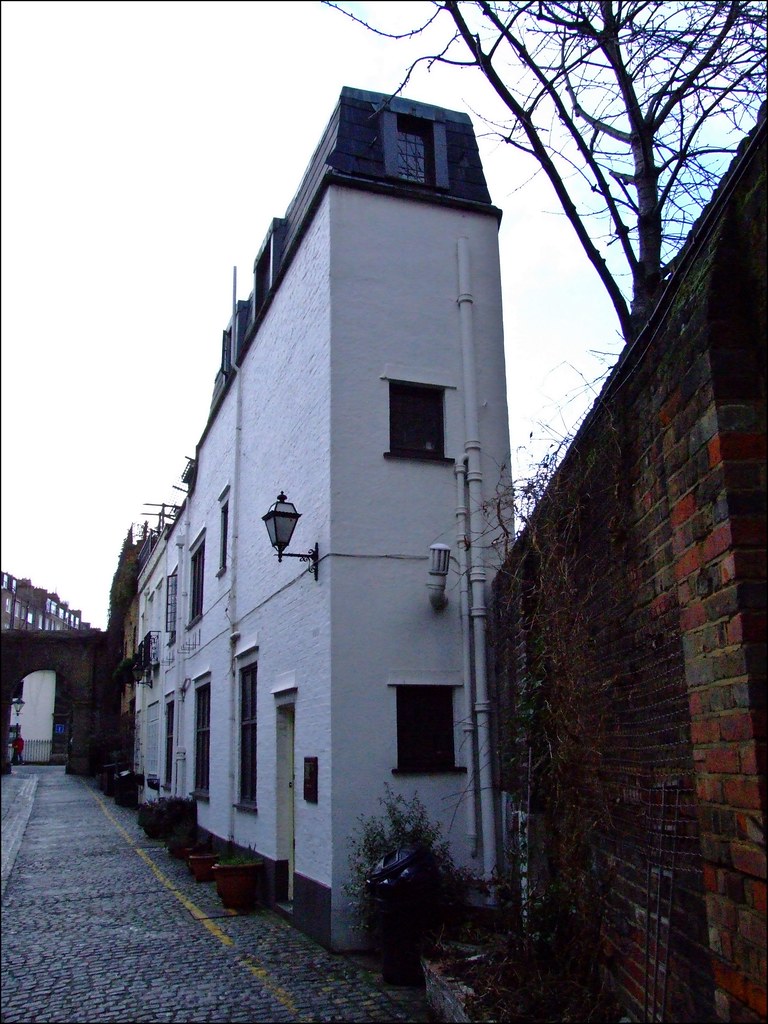
Today, however, in keeping with the great tradition of boggling the mind, these are some of the most coveted properties in London and have a slew of famous names attached to them. From the outside they look nearly the same as they did three centuries back, but the insides have gone from smelly shabby stables to the poshest modern conversions one can think of. You would be hard pressed to find a mews property under a couple of million these days (yes, that's in pound sterling) and at a supply of only about ten thousand of such charming dwellings with an actual community of their own in London, it isn't hard to see why.
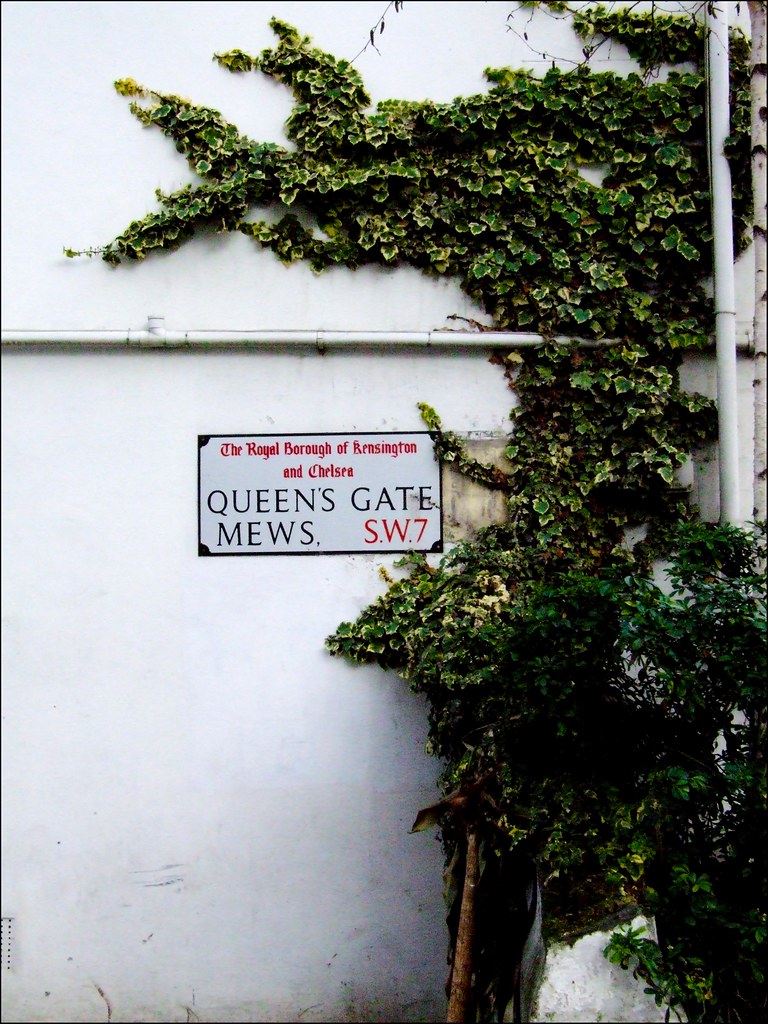
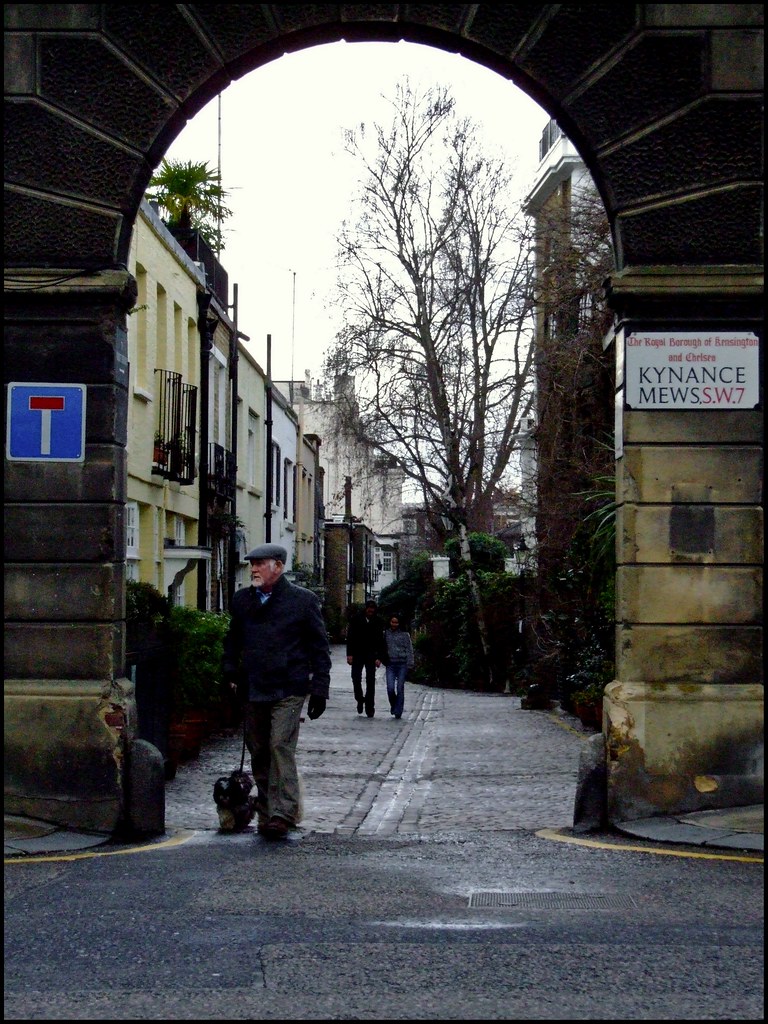
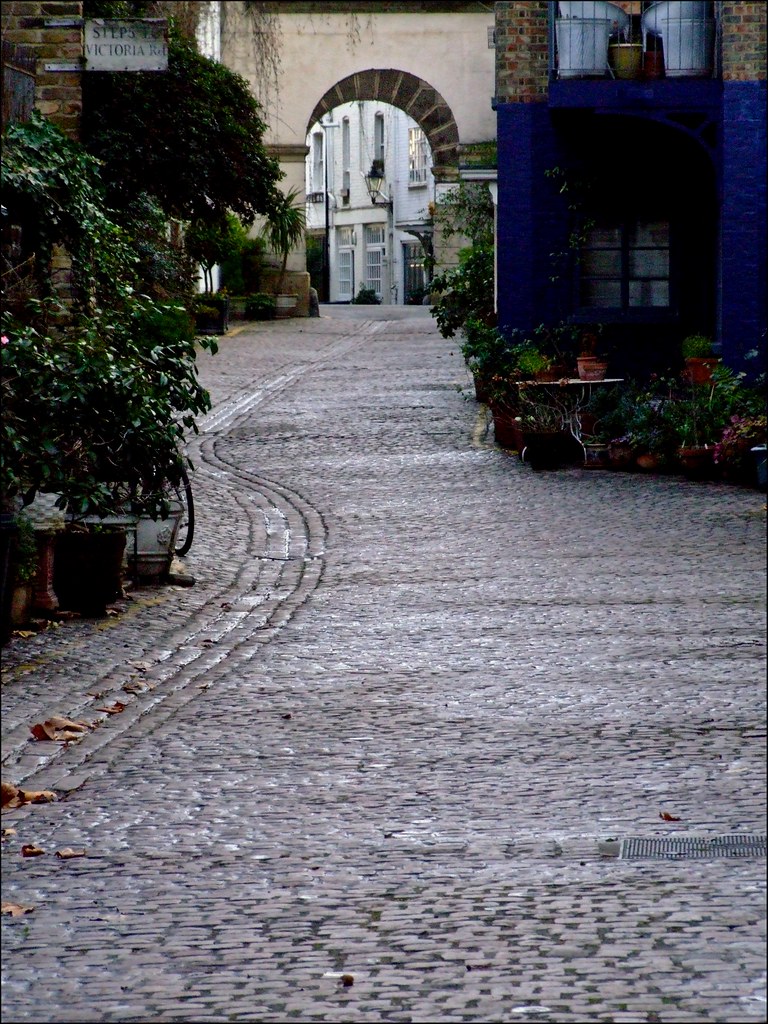
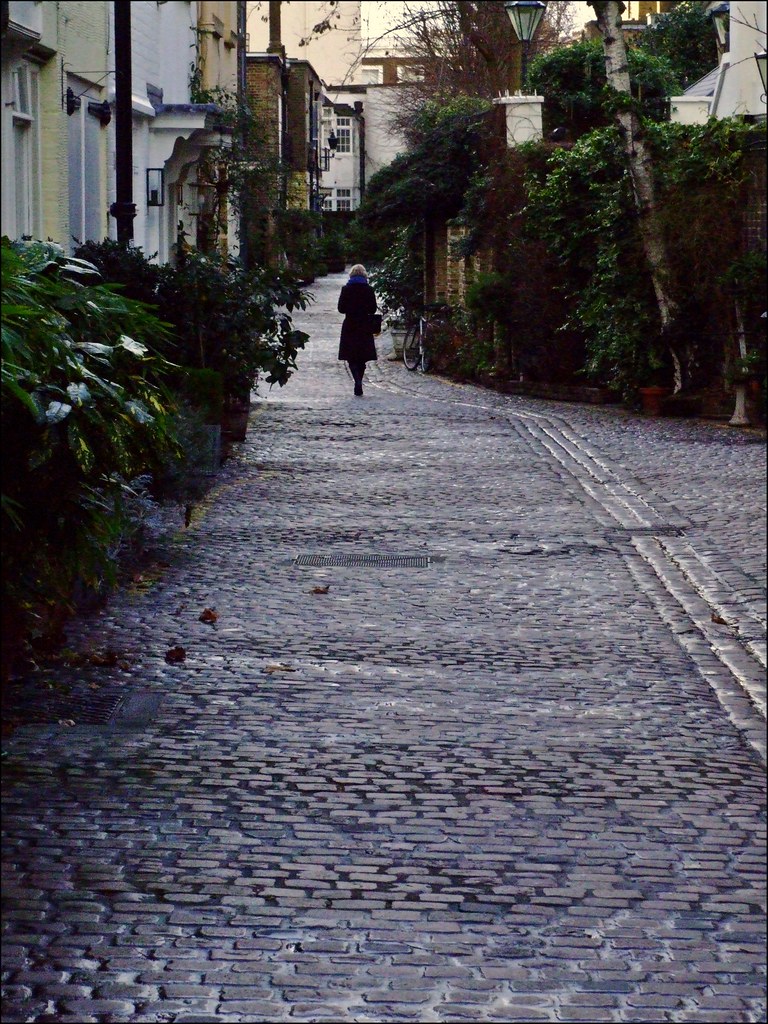
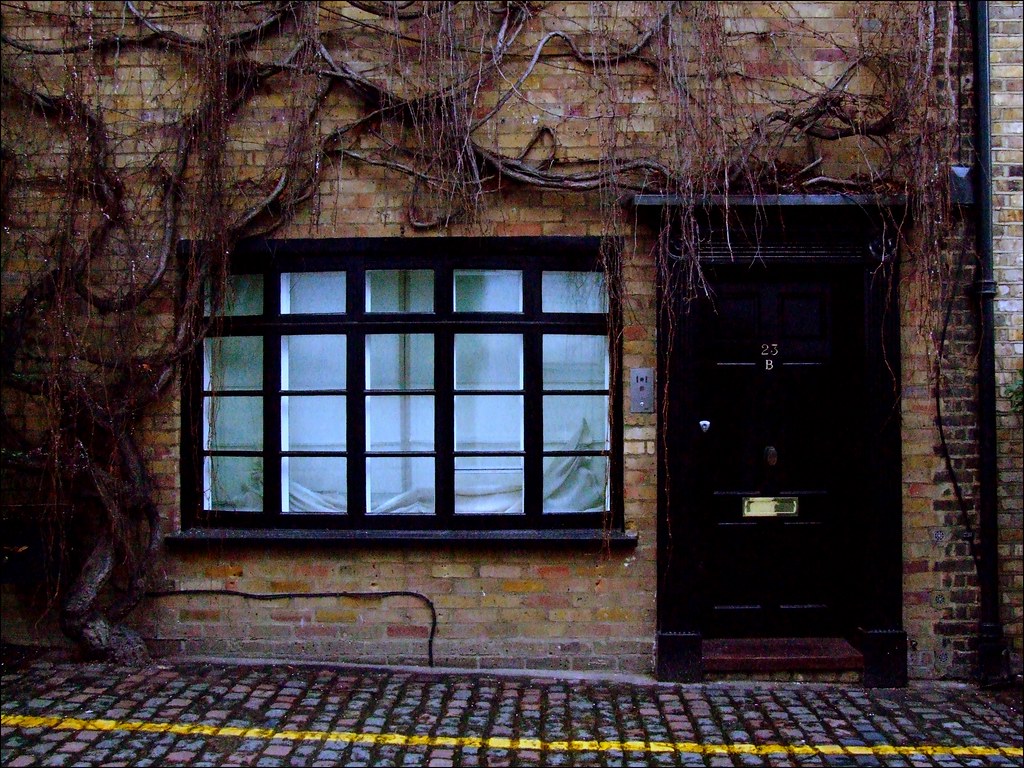
Welcome to the mews of Kensington in London.
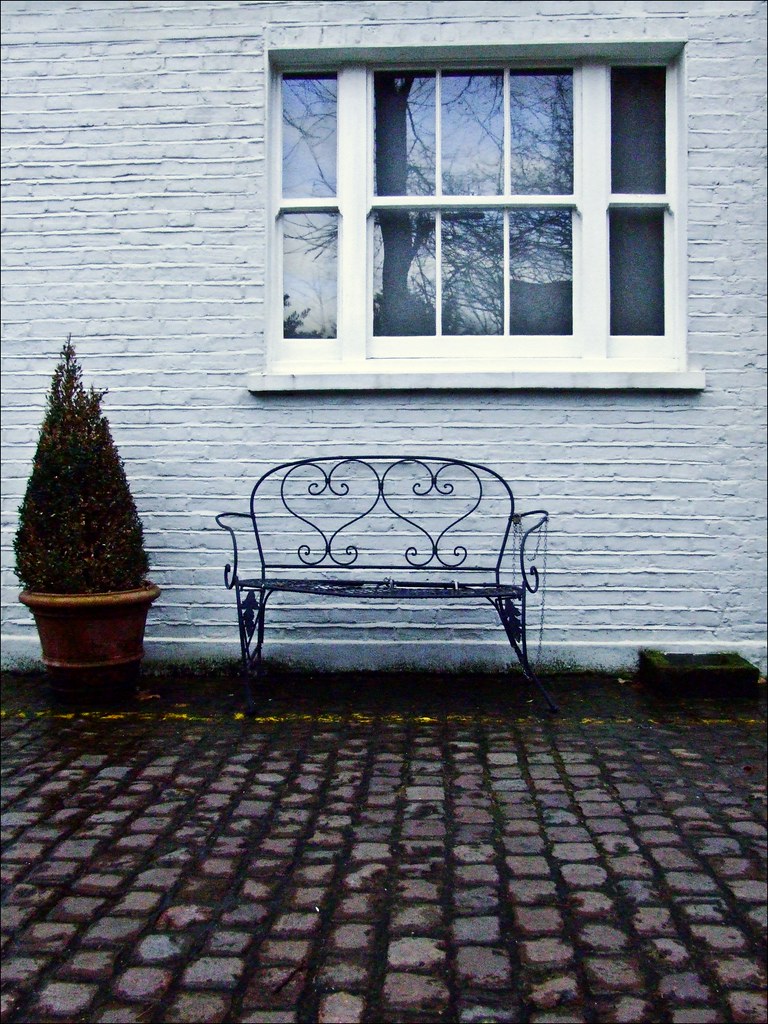
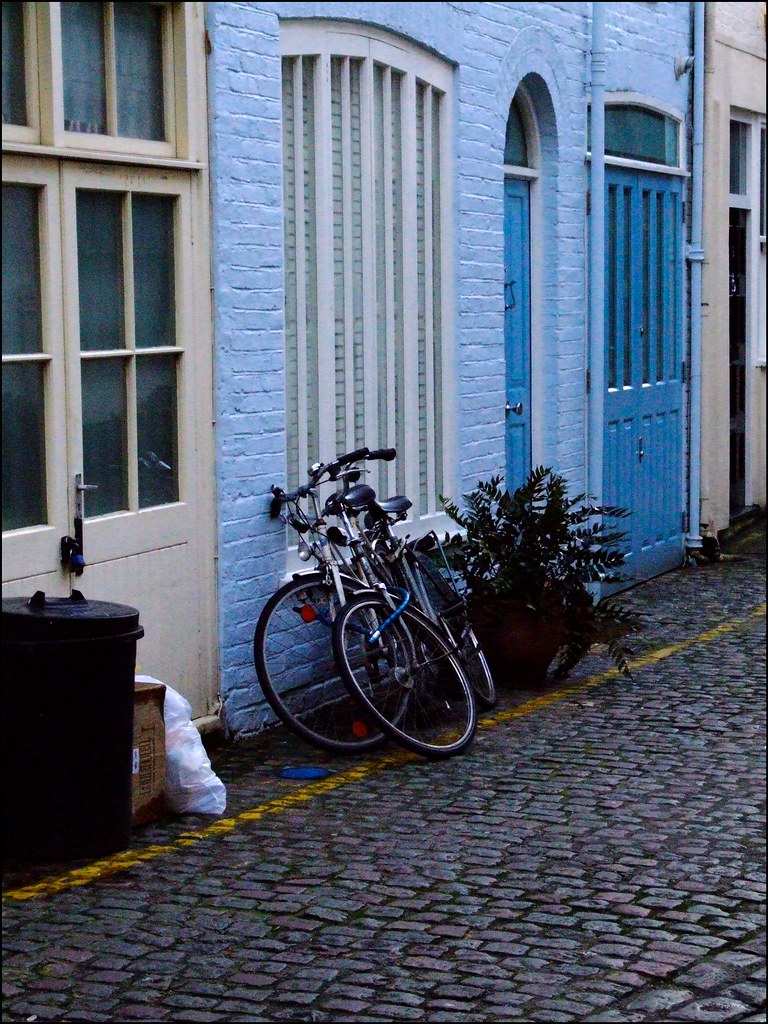
Of peaceful cobbled streets, arched entrances and winding alleyways...
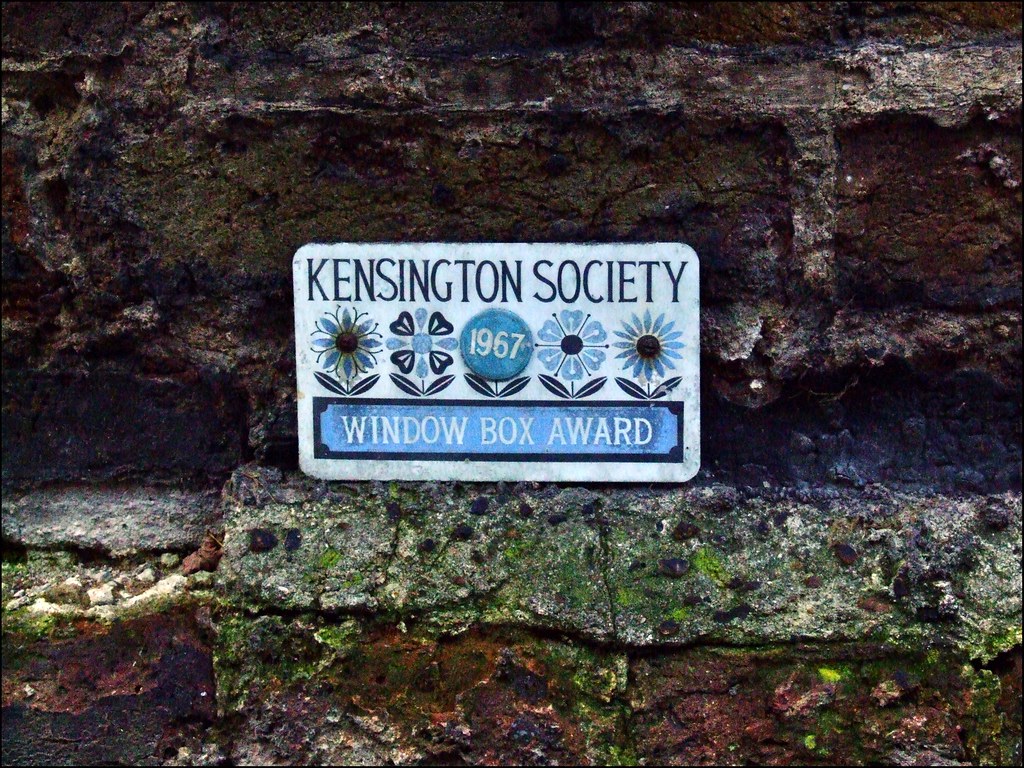
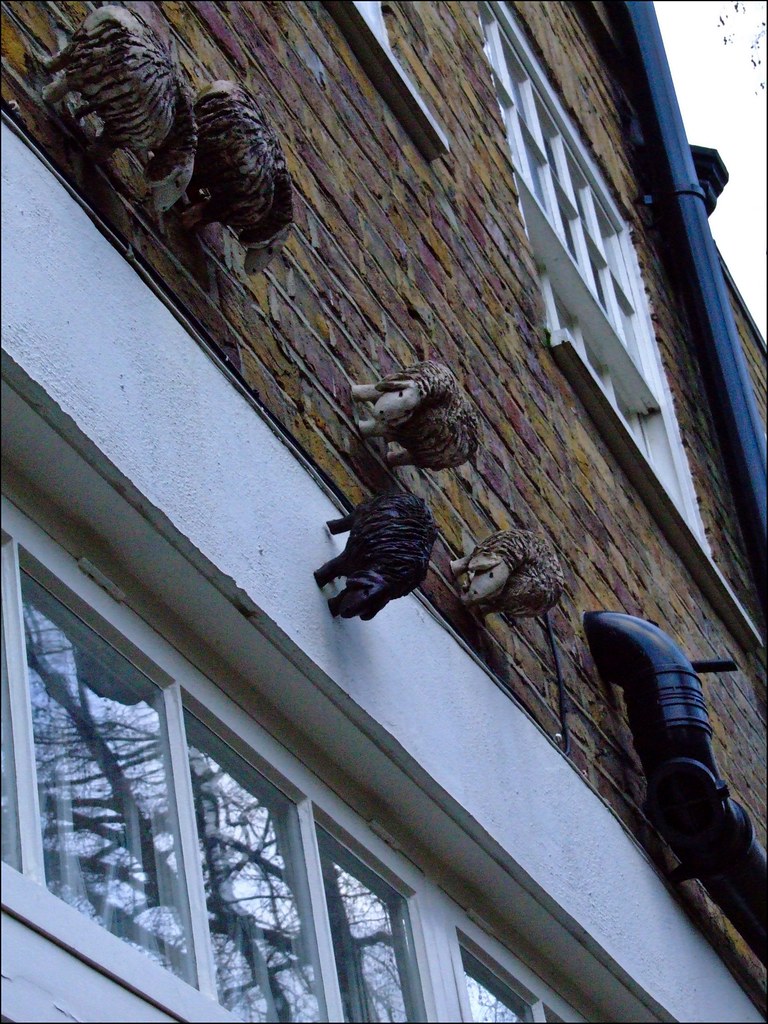
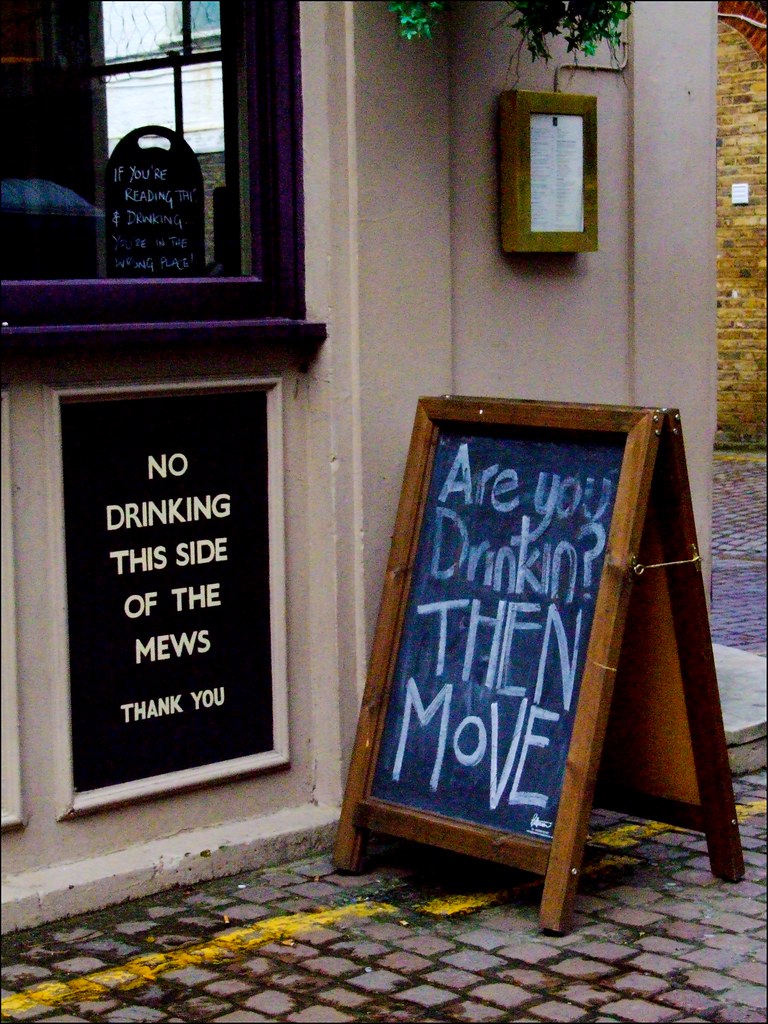
Of picture-book prettiness and quaint quirkiness...
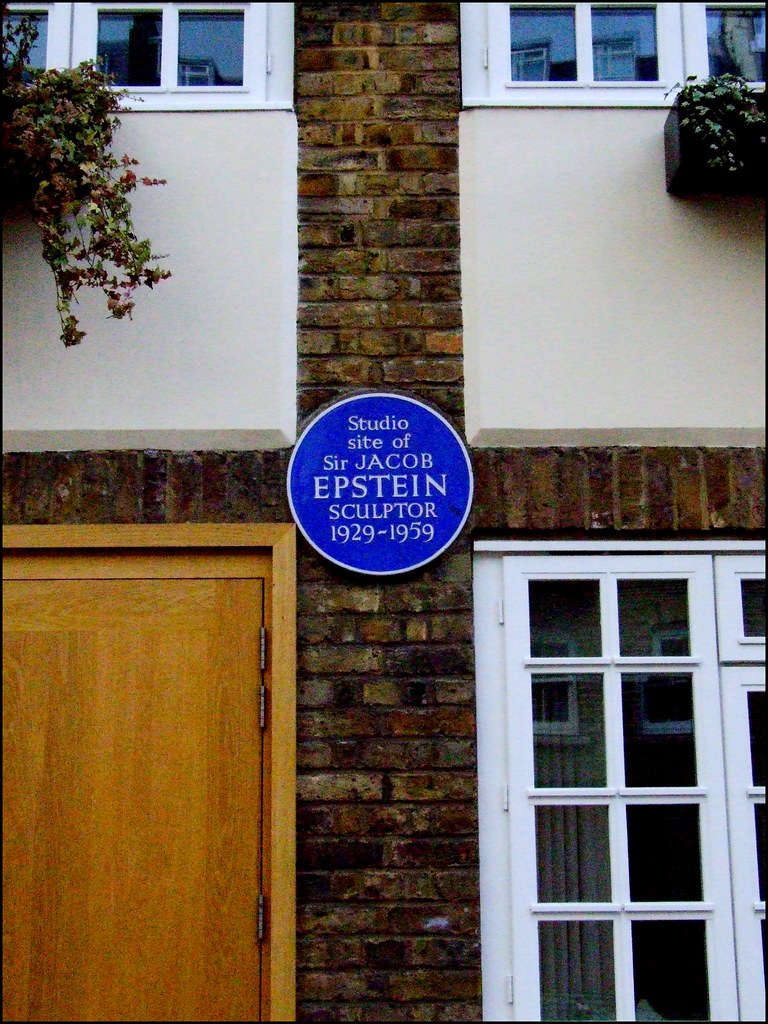
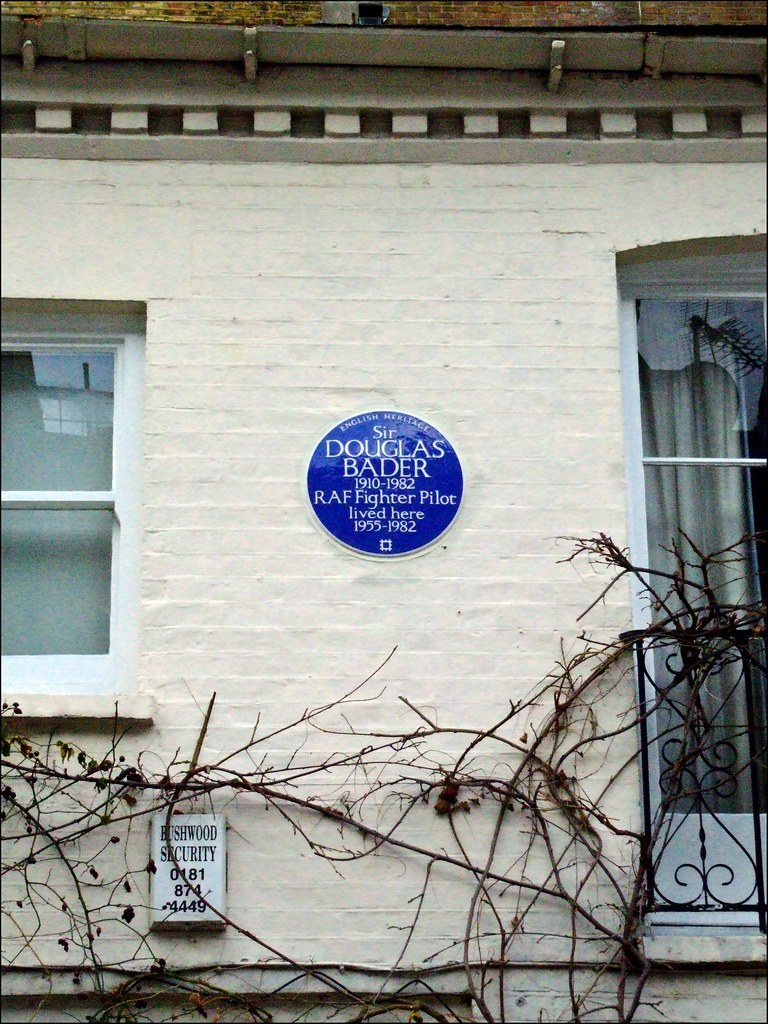
Of famous names - past and present.
I spent an afternoon roaming around in the mews of Kensington, under the threat of looming skies about to burst any moment - the winter greyness that I so hate. Amazingly though, this grey light lent a very contextual atmosphere to my flaneuring this day, making my experience all the more surreal and wonderful. I sighed and sighed, wishing I were living here and wondering how many banks I'd have to rob in order to buy one of these. Perhaps some of you should start paying me for writing this blog and taking so many pictures! About time, I say. Hmmph.
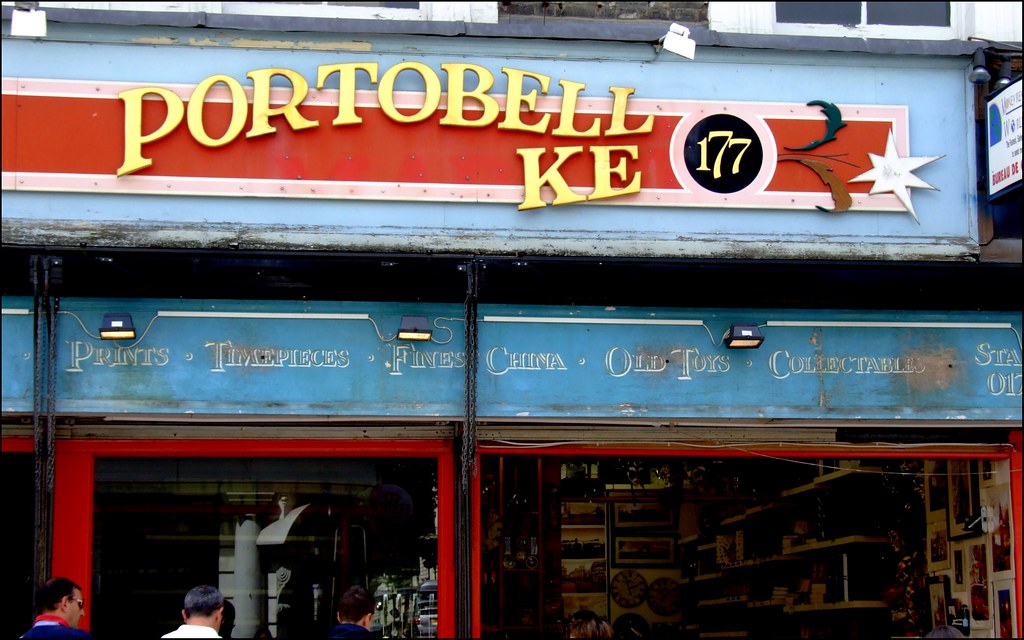
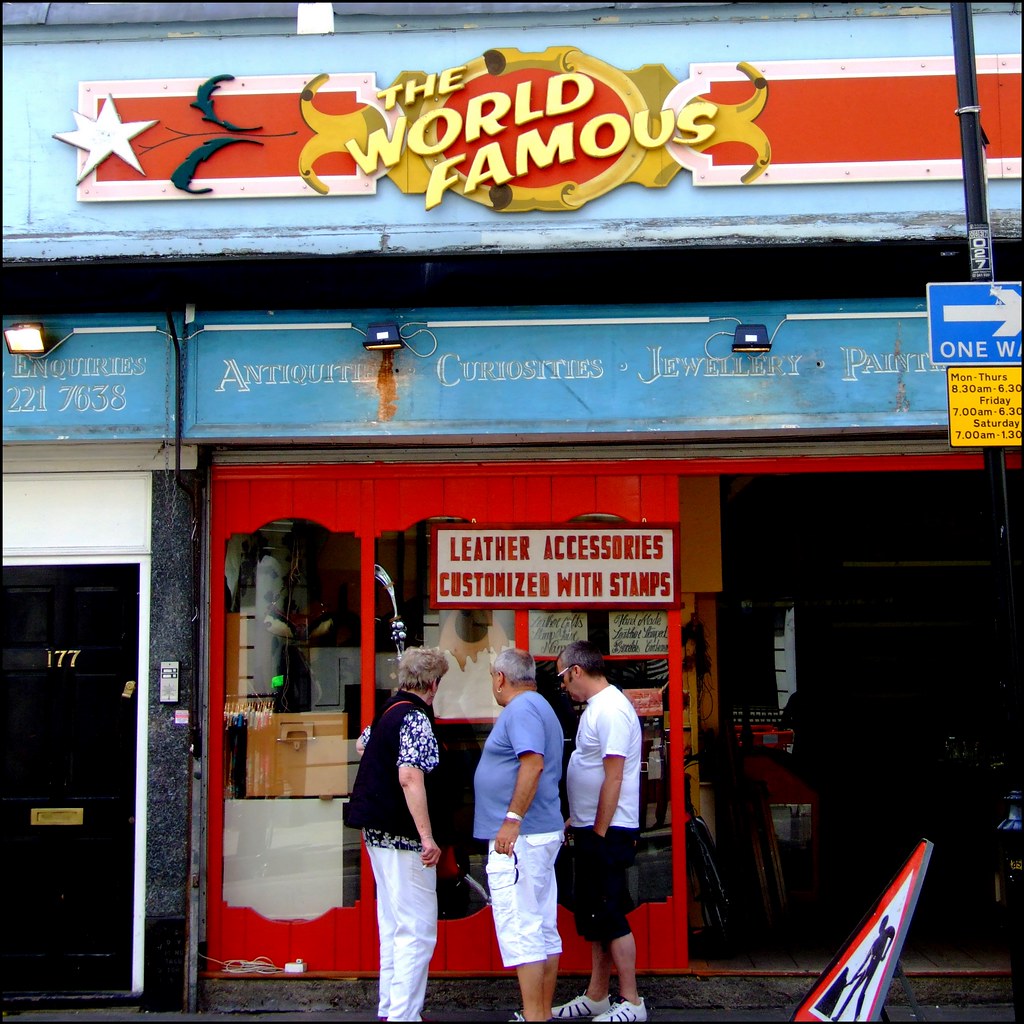
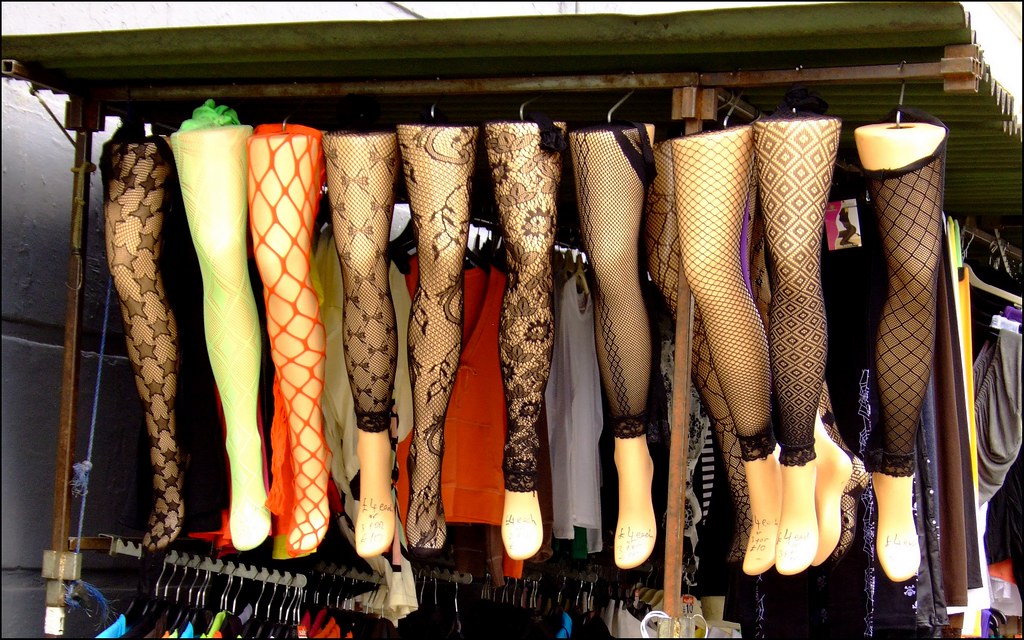
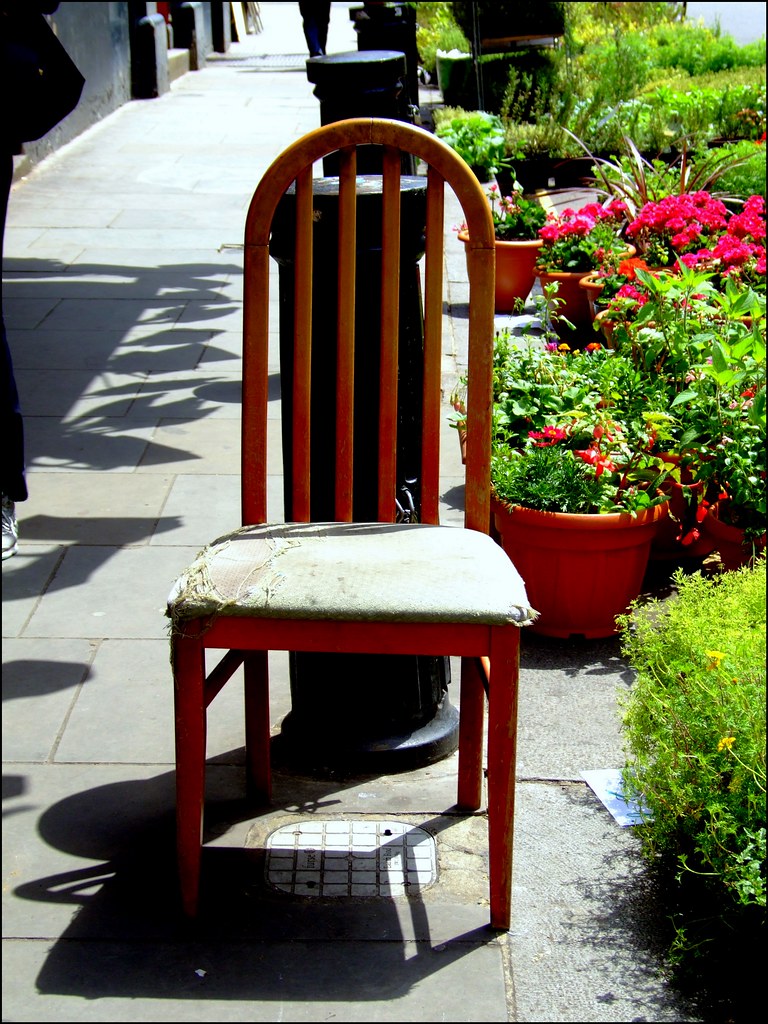
Portobello Quirks - in pursuit of the unordinary
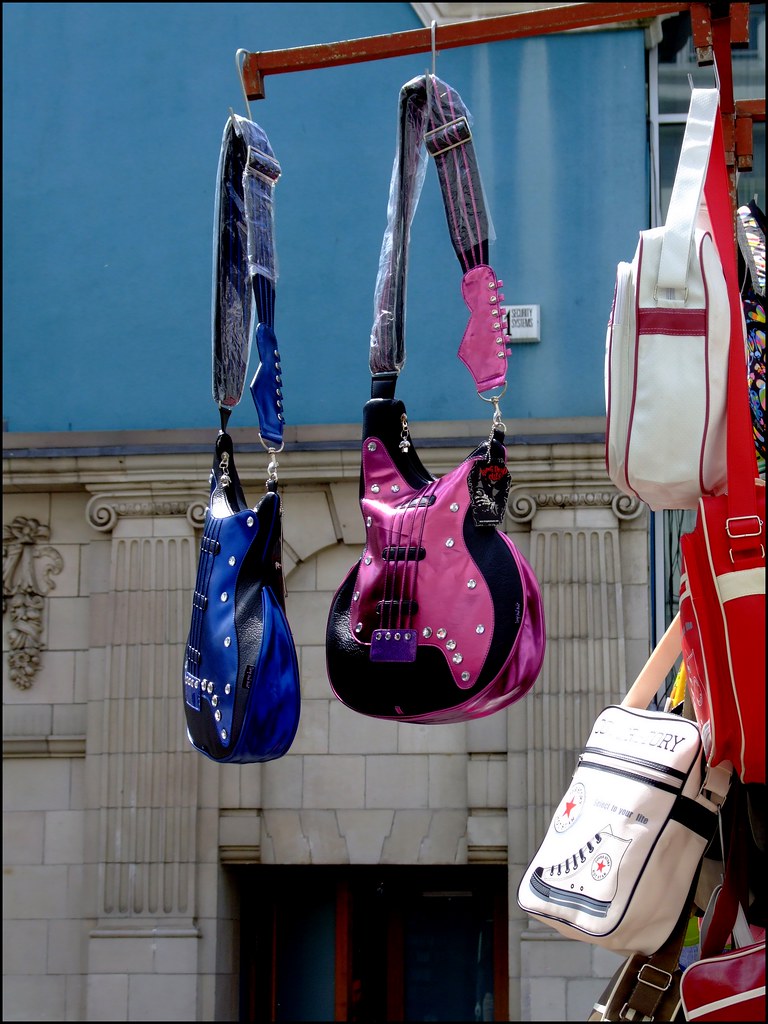
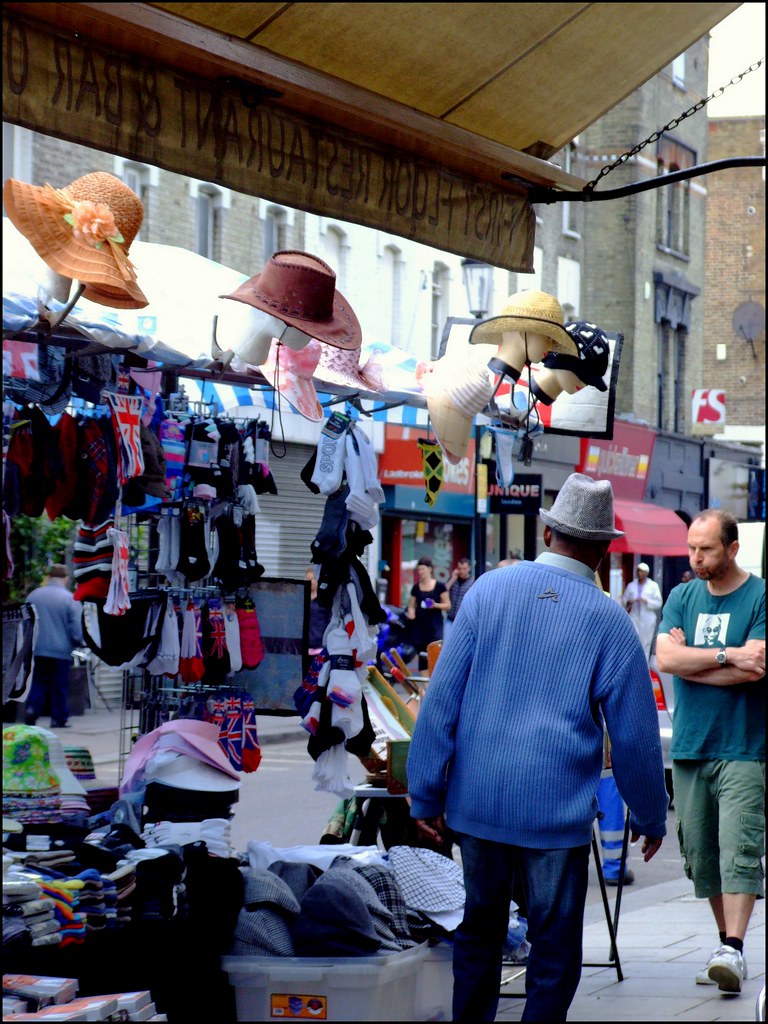
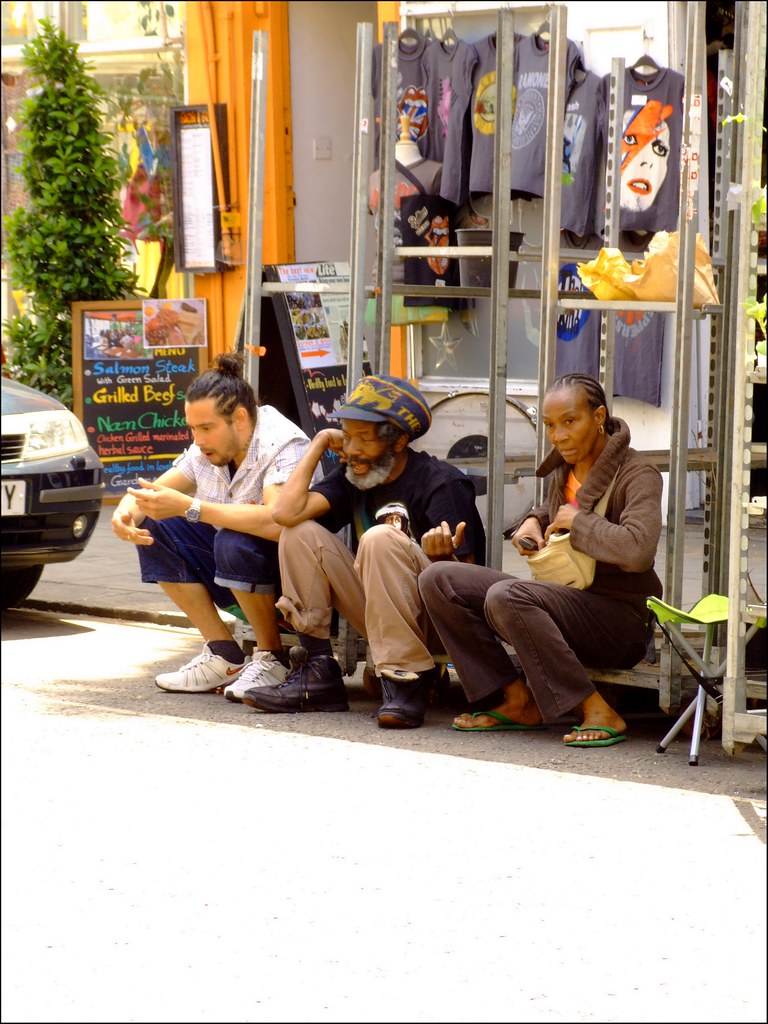
How many eccentricities make up one street? How many quirks of colour and situation, proximity and juxtaposition, contrast and comparison can one find in a single afternoon? What does it take to define a street in only a handful of pictures?
Sometimes the narrator needs to quieten down and let the imagery weave the spell, let imagination do its turn...because sometimes, the truth is so strange that nothing could be too far from it.
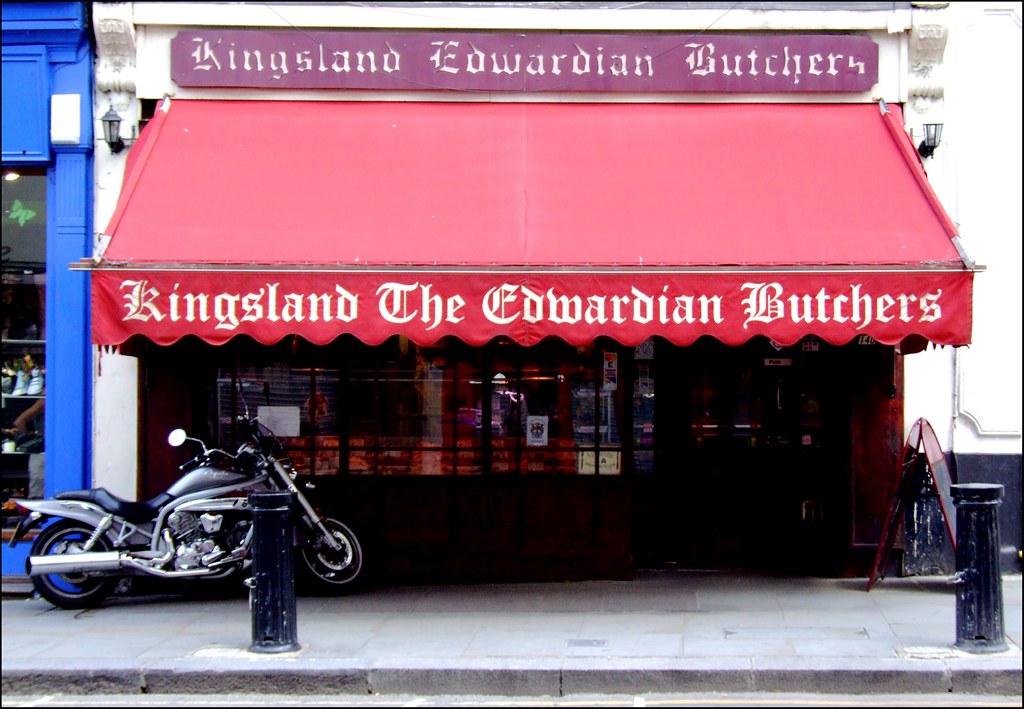
How many stories can you weave through these images?
Sometimes the narrator needs to quieten down and let the imagery weave the spell, let imagination do its turn...because sometimes, the truth is so strange that nothing could be too far from it.
How many stories can you weave through these images?


Spot the fake


Nothing Edwardian about the bike, Sir


Five hats and a pout

Dreadlocked diversity?
What is the probability of so many quirks to gather on one street and be captured in the space of an hour in one afternoon? And what does that say about the street? You tell me. As I said, I'm taking the backseat on this one.
Postcards from Spain | The Streets and Alleys of Granada
Thank you for the great response to my first set of postcards!
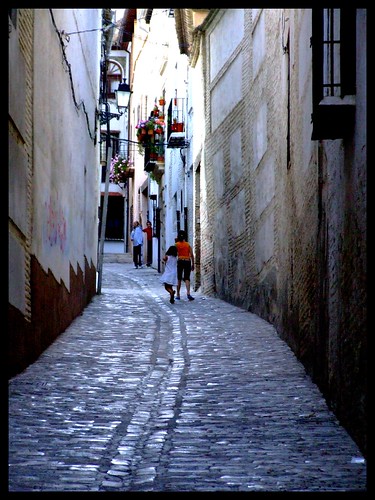
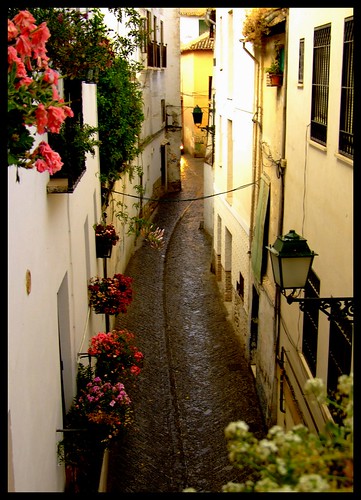
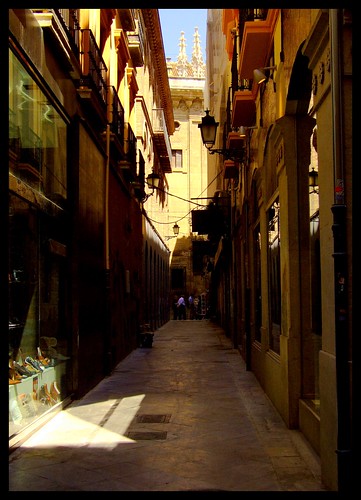
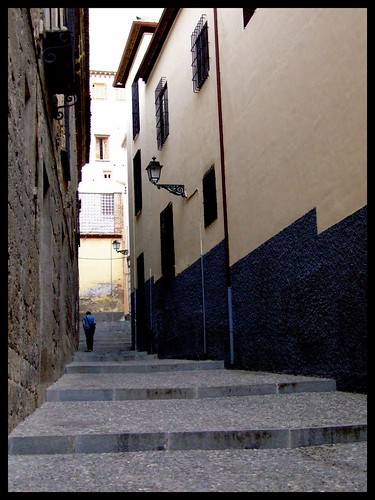
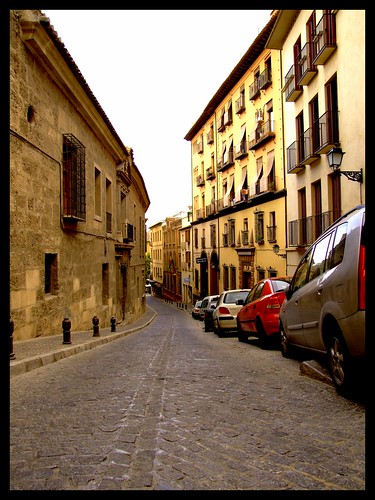
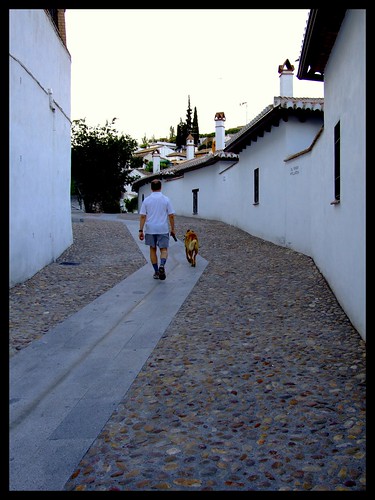
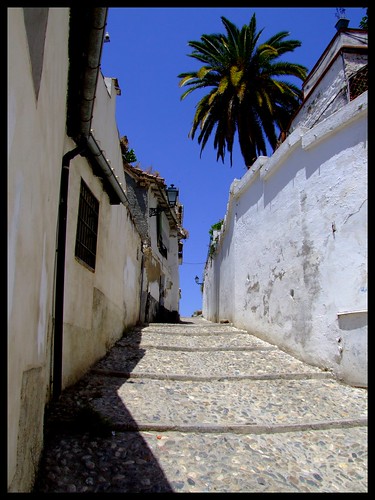
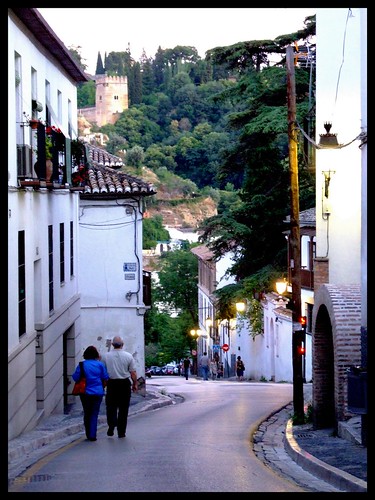
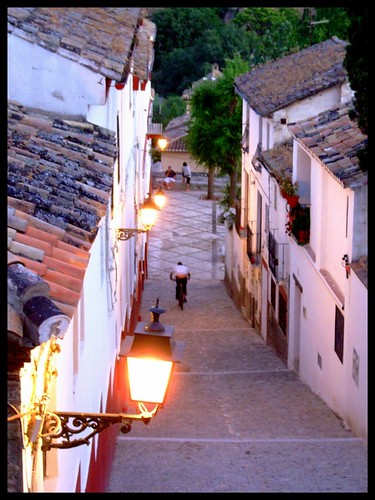
In my second set of postcards from Spain, I'm sending some streets and alleys your way. Granada is laid out on a hill and the streets wind up in steps or curve around the hill all around town, especially in the old city or the Albaicin quarter. I love peeping into alleys to see what's going on in there and what they lead to. Here's what I espied.


In my second set of postcards from Spain, I'm sending some streets and alleys your way. Granada is laid out on a hill and the streets wind up in steps or curve around the hill all around town, especially in the old city or the Albaicin quarter. I love peeping into alleys to see what's going on in there and what they lead to. Here's what I espied.


I'll send across another set tomorrow. Meanwhile, I'll wait for your replies!
Previous postcards from Spain: The Doors and Windows of Granada
Subscribe to:
Posts (Atom)